
Local Moving Inspection in Ballard, WA: Flawless 2025.
Your Guide to a Smooth Seattle Move
Local moving inspection in ballard, wa is a crucial step many people overlook when planning a move. Whether you’re relocating within Seattle’s charming Ballard neighborhood or moving to a new home across town, understanding the different types of inspections can save you from headaches, disputes, and unexpected costs down the road.
Quick Answer: What You Need to Know About Local Moving Inspections in Ballard, WA
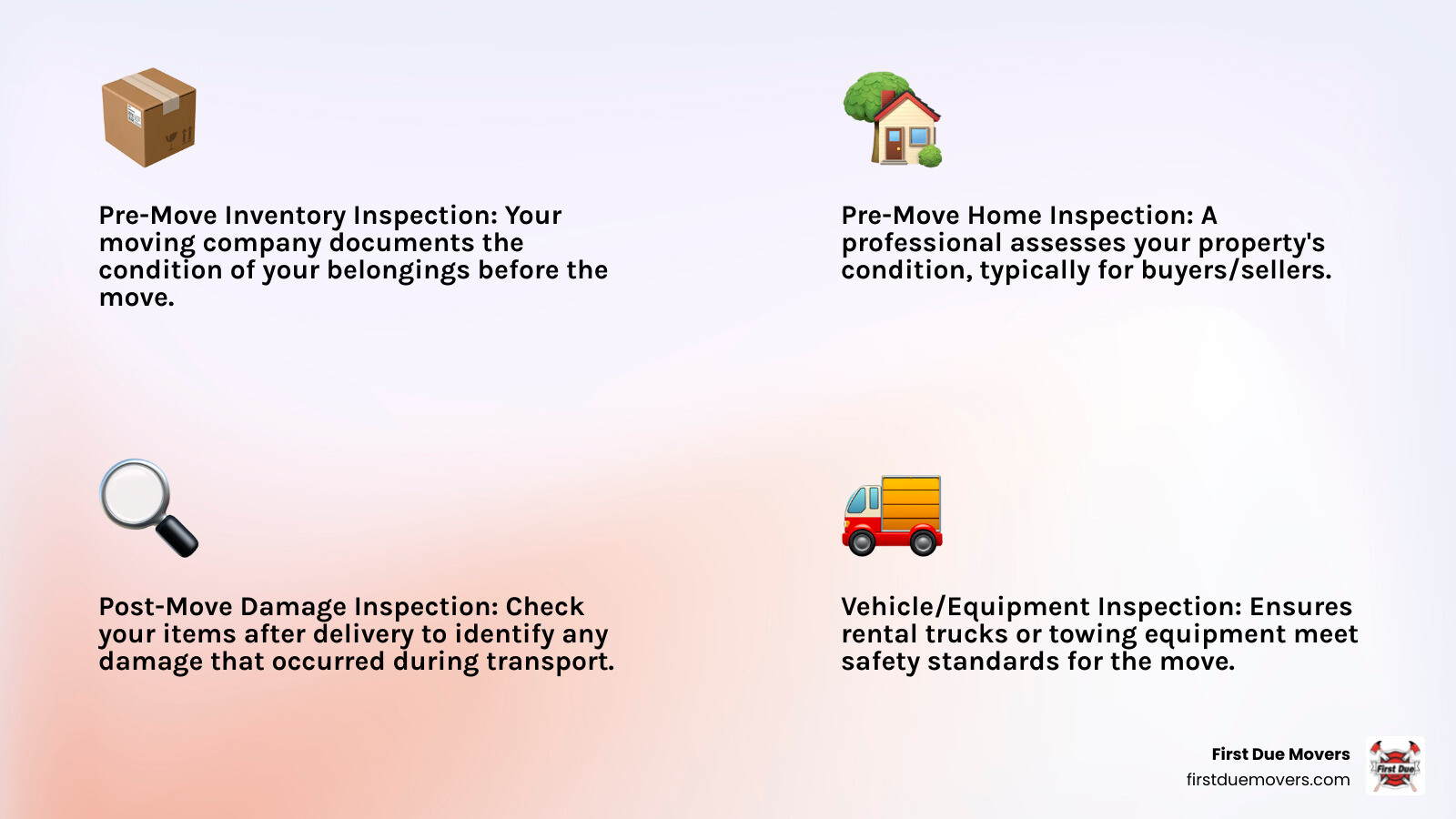
- Pre-Move Inventory Inspection: Your moving company documents the condition of your belongings before the move
- Pre-Move Home Inspection: A professional assesses your property’s condition (typically for buyers/sellers)
- Post-Move Damage Inspection: You check your items after delivery to identify any damage that occurred during transport
- Vehicle/Equipment Inspection: Ensures rental trucks or towing equipment meet safety standards
Moving in Seattle comes with unique challenges. Ballard’s steep hills, narrow streets, and high-rise buildings require careful planning. Many properties require a Certificate of Insurance (COI) and reserved elevator time. The Seattle Department of Transportation has specific rules about parking permits and street use that can impact your moving day.
Professional movers with experience in Seattle neighborhoods know how to steer these challenges. They understand that proper inspections—before, during, and after your move—protect both you and your belongings. Working with a reputable company with a long history of serving the Seattle area ensures careful attention to detail for every move.
If you’re planning a move in the greater Seattle area, learn more about professional moving services or get started with a free quote today.
Understanding Pre-Move Inspections: Setting the Stage for Success
Before the first box gets taped shut or the moving truck pulls up to your Ballard home, there’s an important step that can make or break your moving experience: the pre-move inspection. Think of it as your game plan for moving day—a chance to document everything, spot potential issues, and make sure everyone’s on the same page.
When we talk about local moving inspection in Ballard, WA, we’re really talking about protecting yourself and your belongings. These inspections create a clear record of what you’re moving and what condition everything is in before the journey begins. Whether it’s your moving company documenting your furniture or a home inspector checking out your new place, these assessments give you peace of mind and help avoid those “he said, she said” moments later.
The beauty of proper pre-move preparation is that it takes the guesswork out of the equation. You’ll know exactly what you’re working with, from the condition of your property to the state of every piece of furniture. Professional moving inspections help us understand your specific needs so we can bring the right equipment, the right crew size, and the right approach to handle your move safely.
The Moving Company’s Inventory Inspection
When you schedule a move with a professional company, one of the first things that should happen is a thorough household goods inventory. This isn’t just someone glancing around your living room and making a rough guess. A proper inventory inspection means walking through your home, room by room, documenting every item that’s making the journey.
We create a detailed furniture condition report as we go, noting existing scratches, dents, or wear on your belongings. This might seem overly cautious, but it’s actually one of the best forms of damage prevention you can have. If your dining table has a nick in the corner before we touch it, that gets documented. If your dresser arrives with that same nick and nothing else, everyone can breathe easy.
Special items like pianos, antiques, and artwork get extra attention during this process. These treasures require specific handling techniques, custom packing materials, and sometimes specialized equipment. By identifying them during the inventory inspection, we can plan accordingly and make sure they’re treated with the care they deserve.
This inspection also plays a crucial role in whether you receive a binding or non-binding estimate. A binding estimate means the price is locked in based on the inventory we document. A non-binding estimate might change if the actual inventory differs from what was initially assessed. The more accurate and detailed the inventory inspection, the fewer surprises you’ll face on moving day.
The Bill of Lading—that official document listing everything being transported—comes directly from this inventory inspection. It’s your receipt, your contract, and your evidence all rolled into one. Keep it safe, because if you need to file an insurance claim later, this document becomes your best friend.
The Pre-Move Home Inspection
While we focus on your belongings, there’s another type of inspection that’s equally important if you’re buying or selling a home in Ballard: the pre-move home inspection. This is where a certified home inspector examines the bones of the building itself.
A professional home inspector will assess the structural integrity of the property, checking everything from the foundation to the roof. They’ll test HVAC systems to make sure your heating and cooling work properly. They’ll examine plumbing for leaks or outdated pipes, inspect electrical systems for safety issues, and check the roofing for potential problems.
Identifying pre-existing issues before you move in can save you thousands of dollars and major headaches. That small water stain on the ceiling? It might indicate a roof leak that needs immediate attention. Those cracks in the foundation? They could signal settling issues that require monitoring or repair.
Whether you’re the seller or the buyer makes a difference in how this inspection is used. Sellers might conduct a pre-listing inspection to identify and fix problems before putting the house on the market. Buyers typically use the inspection to negotiate repairs or adjust the purchase price based on what’s finded.
In the Seattle area, home inspections typically cover everything from the basement to the attic, including sewer scopes, mold testing, and checks for pests or water damage. These comprehensive assessments give you a complete picture of what you’re moving into, helping you prioritize repairs and plan for future home maintenance.
Vehicle and Equipment Inspections
If you’re handling part of your move yourself—maybe renting a truck for some items or towing a trailer—vehicle and equipment inspections become critically important. You need to know that rental truck is safe and roadworthy before you load it up with your worldly possessions.
A proper rental truck condition check means inspecting the vehicle before you drive off the lot. Look for existing damage and make sure it’s documented. Check that the lights work, the tires have good tread, and the ramps or lift gates function properly. Safety checks aren’t just paperwork—they’re about making sure you and your belongings get to your destination in one piece.
For anyone towing a vehicle or trailer, towing inspections verify that everything is connected correctly and rated for the weight you’re hauling. The hitch needs to be properly installed, the safety chains attached, and the brake lights functioning. These aren’t details you want to skip, especially when navigating Ballard’s steep hills and narrow streets.
When you work with professional movers, these concerns disappear. Our trucks are regularly maintained, properly equipped, and driven by experienced professionals who know Seattle’s challenging terrain. We handle the vehicle inspections, the proper equipment, and all the logistics that come with safely transporting your belongings through the city’s unique landscape.
The Complete Guide to a Local Moving Inspection in Ballard, WA
Once your belongings arrive at your new home in Ballard, WA, the moving inspection process isn’t over. In fact, one of the most critical phases begins: conducting a post-move damage inspection. This step, combined with understanding how to address any issues and what a new homeowner’s inspection entails, forms a comprehensive guide to ensuring your move is truly complete and satisfactory. It’s all about ensuring everything arrived as it should, documenting any discrepancies, and preparing for the next chapter in your new home.
Conducting a Post-Move Damage Inspection
After the last box is unloaded, it’s time to carefully check your belongings for any damages that may have occurred during transit. This post-move damage inspection is your opportunity to compare the condition of each item to the pre-move inventory list we created. We encourage you to be thorough in this process.
Here’s how to approach it:
- Check for Damages: Unpack and inspect items carefully. Look for dents, scratches, breaks, or any other signs of damage that weren’t noted in the initial inventory.
- Compare to Inventory List: Refer back to the detailed inventory report from before the move. This document is your primary reference point for the item’s original condition.
- Document with Photos: This is perhaps the most crucial step. Take clear, well-lit photographs of any damaged items from multiple angles. If possible, show the damage in relation to the original packing or the area where it was placed in the truck.
- Notify the Moving Company: Contact us as soon as you find any damage. We believe in transparency and integrity, and addressing concerns promptly is part of our commitment to you.
- Filing a Claim: If necessary, we will guide you through our claims process. The Bill of Lading, which serves as a contract between you and the moving company, will be an essential document in this process. Detailed documentation from your inspection will significantly strengthen your claim.
Our goal is always to deliver your possessions safely and securely. But in the rare instance that an issue arises, our professionalism and commitment to customer support mean we are here to help you steer the resolution.
What to Do if a Moving Inspection Reveals Issues
Finding issues after a move can be frustrating, but knowing the right steps to take can lead to a swift and fair resolution. If your post-move inspection reveals damages or other problems, here’s what we advise:
- Document Everything Thoroughly: As mentioned, photos are your best friend. Take pictures of the damage, the packaging, and even the location where the item was found. Keep all receipts related to the move.
- Review Your Bill of Lading: This document outlines the terms and conditions of your move, including liability limits and the claims process.
- Contact Your Moving Company Promptly: Most companies have a limited window for filing claims. Reach out to us immediately to report the issue. Our customer service team is available seven days a week to assist you, ensuring direct communication and support.
- Understand Liability: Moving companies operate under specific liability frameworks. It’s important to understand what your coverage entails. Our goal is to provide straightforward protection and full support from start to finish.
- Negotiation and Resolution: We approach any issues with trust and integrity, aiming for a fair resolution. Our firefighter-founded values guide our interactions, ensuring a professional and empathetic process.
Moving inspections are indeed invaluable for insurance claims or disputes. Without proper documentation from both pre-move inventory and post-move damage checks, it can be challenging to prove when and how damage occurred. Our detailed processes are designed to provide you with the evidence you need, should it ever come to that.
The New Homeowner’s Inspection
For those settling into a newly constructed home in Ballard, WA, a specific type of inspection known as a warranty inspection is highly recommended. This typically occurs within the first year of ownership, often around the 11-month mark, before the builder’s warranty expires. It’s a fantastic opportunity to have a professional home inspector uncover hidden defects or issues that may have developed after construction was completed.
Experienced inspectors have a keen eye for details that new homeowners might overlook, from minor cosmetic flaws to more significant structural or system issues. Homeowners often find these inspections invaluable for identifying crucial items in new construction that would have otherwise gone unnoticed until after the warranty expired.
This inspection helps you:
- Uncover Hidden Defects: Identify issues that might not be visible to the untrained eye.
- Prioritize Repairs: Get a clear report that helps you understand what needs attention.
- Home Maintenance Planning: Gain valuable insights into your home’s systems and how to maintain them.
- Understand Your New Home’s Systems: Learn about your HVAC, plumbing, electrical, and other systems from an expert.
While we are experts in moving your belongings, we encourage you to seek out these specialized home inspections to fully understand and protect your new investment.
Navigating Seattle-Specific Rules and Requirements
Moving in Seattle, particularly in vibrant neighborhoods like Ballard, comes with its own set of unique rules and requirements. Unlike some other cities, Seattle has specific regulations governing everything from parking your moving truck to reserving service elevators in high-rise buildings. Understanding these local nuances is crucial for a smooth and efficient move, helping you avoid unexpected fines or delays. The Seattle Department of Transportation (SDOT) and various Homeowner Associations (HOAs) play a significant role in shaping these requirements.
Securing Parking and Access in Neighborhoods like Ballard
One of the biggest logistical challenges in Ballard and other dense Seattle neighborhoods is securing adequate parking and access for a moving truck. Seattle’s steep hills and narrow streets can make truck staging difficult, and without proper planning, you might find yourself in a tight spot.
Here’s what we recommend:
- Temporary No-Parking Permits: For dense blocks and busy corridors, temporary no-parking signs are often essential. These permits allow our truck to stage legally and safely near your residence. We can guide you through the process of obtaining these permits, helping you align the timing with your building’s move window.
- Street Use Permits: The Seattle Department of Transportation’s “Street Use Inspections” page highlights the city’s regulations. While these inspections primarily focus on construction and utility work, they underscore the city’s meticulous approach to public right-of-way. It’s vital to follow city instructions regarding any necessary permits for extended street usage that might impact your move. The Seattle Services Portal is where applications for various permit types are submitted.
- Navigating Terrain: Our professional teams are experienced in navigating Seattle’s unique terrain. We plan for safe truck positioning, considering steep hills and narrow streets, and bring the proper equipment to ensure everything is secure and efficient.
By proactively addressing parking and access, we help ensure your moving day flows smoothly, minimizing disruptions and maximizing efficiency.
Understanding HOA and Building Regulations
Many properties in Seattle, especially high-rise apartments, condominiums, and managed communities, have specific regulations that impact moving day. These rules are designed to protect common areas, ensure safety, and manage shared resources.
Key considerations include:
- Certificate of Insurance (COI): Many Seattle properties require a mover’s Certificate of Insurance (COI) before we can begin work. This document proves that our company carries the necessary liability insurance. We handle this coordination directly with your property manager or HOA, sending the COI and securing any required approvals.
- Elevator Reservations: In buildings with service elevators or loading docks, reservations are often mandatory. These “elevator windows” ensure that only one resident is moving at a time, preventing bottlenecks and damage to shared facilities. We coordinate these reservations directly with your property manager to ensure seamless access.
- Protecting Common Areas: HOAs often have rules about protecting hallways, doorways, and other common areas. Our teams come prepared with floor protection, doorway covers, and proper padding to prevent any damage during the move.
- Moving Day Time Restrictions: Some communities impose specific hours for moving activities to minimize noise and disruption for other residents. We adhere to these restrictions, planning your move within the approved timeframes.
Understanding and complying with these HOA and building regulations is a critical part of our service. We work closely with you and your property management to ensure all requirements are met, making your move as compliant and stress-free as possible.
Finding Reputable Services and Preparing for Your Inspection
Starting on a move, whether across town or across the state, requires trust. You’re entrusting your cherished belongings, and often your peace of mind, to a team of professionals. That’s why finding reputable services, from movers to home inspectors, is paramount. Vetting movers, verifying licensed inspectors, and checking for reliable ratings like those from the BBB are all crucial steps in safeguarding your investment and ensuring a positive moving experience. We believe in complete transparency and empower our clients with the knowledge to make informed decisions.
How to Find a Reputable Moving Inspection Service in Ballard, WA
When searching for a reputable moving inspection service or a moving company that prioritizes thorough inspections in Ballard, WA, several factors should guide your choice:
- Checking Licenses and Insurance: Always verify that any moving company or home inspector you consider is properly licensed and insured. This protects you in case of accidents or damages.
- Reading Customer Reviews: Online reviews offer invaluable insights into a company’s performance and customer satisfaction. Look for patterns in feedback regarding professionalism, care, and problem-solving. A high volume of positive reviews often reflects a strong commitment to service and quality.
- A+ BBB Rating: The Better Business Bureau (BBB) provides ratings and accreditation, which can be a strong indicator of a company’s reliability and ethical business practices. Look for companies with a high rating and a history of resolving customer concerns.
- Professional Designations: For home inspectors, look for certifications from recognized industry bodies. For movers, while no specific “moving inspection” certification exists, look for companies that emphasize professionalism and training in handling and inventorying goods.
- Years in Business: Experience often correlates with reliability. Companies that have been serving the Seattle area for many years have a proven track record and a deep understanding of local challenges.
At First Due Movers, our firefighter-founded values of trust, integrity, and professionalism mean we uphold the highest standards in every aspect of our service, including our meticulous inventory and care processes.
How to Prepare for Your Inspection
Preparing for any inspection, whether it’s an inventory check by us or a home inspection by a specialist, can significantly improve its effectiveness and efficiency. A little preparation goes a long way:
- Decluttering Your Home: A tidy space allows inspectors to move freely and access all areas and items that need assessment.
- Providing Clear Access: Ensure pathways are clear, and items are easily accessible. If we’re performing an inventory inspection, make sure all items to be moved are visible. For a home inspection, ensure access to attics, crawl spaces, and utility panels.
- Labeling Boxes: If you’re packing some items yourself, clearly label your boxes with their contents and destination room. This not only helps with the inventory process but also speeds up unpacking at your new home.
- Creating Your Own Inventory List: Before we arrive, consider making your own preliminary list of items, especially valuables or those requiring special care. This helps ensure nothing is overlooked during our official inventory inspection.
- Being Present for the Inspection: Whenever possible, be present during the inspection. This allows you to ask questions, point out specific concerns, and gain a clearer understanding of the findings. Homeowners often appreciate when inspectors patiently explain their findings and answer questions.
Your active participation ensures that the inspection accurately reflects your needs and concerns, contributing to a truly stress-free moving experience.
Comparing Pre-Move vs. Post-Move Inspections
| Feature | Pre-Move Inspection | Post-Move Inspection |
|---|---|---|
| Purpose | To document the initial condition of items, estimate move size, and identify special handling needs. | To identify any damage or loss that occurred during transit and compare it to the pre-move report. |
| Timing | Before the move begins, during the quoting and planning phase. | Immediately after all items have been delivered to the new location. |
| Key Focus Areas | Inventory of all items, noting pre-existing damage (scratches, dents), and assessing property access. | Checking furniture, electronics, and boxes for new damage; verifying all items on the inventory list are present. |
| Who Performs It | The moving company’s representative. A separate home inspection is done by a certified home inspector. | The homeowner, often in the presence of the moving crew foreman. |
| Outcome | An accurate moving estimate, a detailed inventory list (Bill of Lading), and a plan for a safe move. | Documentation (photos, notes) to support a potential insurance claim and confirm a completed move. |